
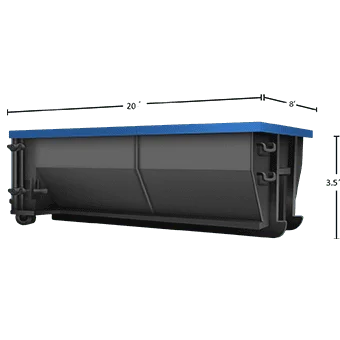
Understand the service format
A roll-off leaves a temporary container for approved project waste and returns by truck to remove or exchange it. The offered sizes and loading arrangements vary. Describe the debris, likely volume and dense material before selecting a container, then obtain its specific weight and fill conditions.
Choose the offered box and loading arrangement for the work you will do, including any door feature that must be confirmed on the actual container. Do not assume customer towing or self-transport is included. Request delivery, the full hire period, material and weight terms, collection and disposal in the quotation, with any extra-day or replacement-container terms stated separately.
Keep the handling area available
Ask the provider to assess the receiving surface, gate width, approach and overhead obstructions for the actual truck and container. A spot large enough to hold a container may not allow its placement or retrieval. Confirm any ground protection and keep vehicles or supplies away from the agreed working area.
Coordinate successive loads
If the project needs more than one load, ask how an exchange is scheduled and what the extra haul includes. Arrange removal before access changes or the property closes. Do not assume a debris order includes restroom equipment; keep the two scopes and receiving instructions clear.
Questions before you book
Does a roll-off quote include every collection during a project?
Ask how many hauls the proposal covers and whether a replacement container is included. Confirm any exchange, additional load and changed-date terms before relying on another visit.
Can a roll-off be placed in a public street?
Check the relevant public-space permission and have the provider assess the approved position and truck access before confirming the arrangement.